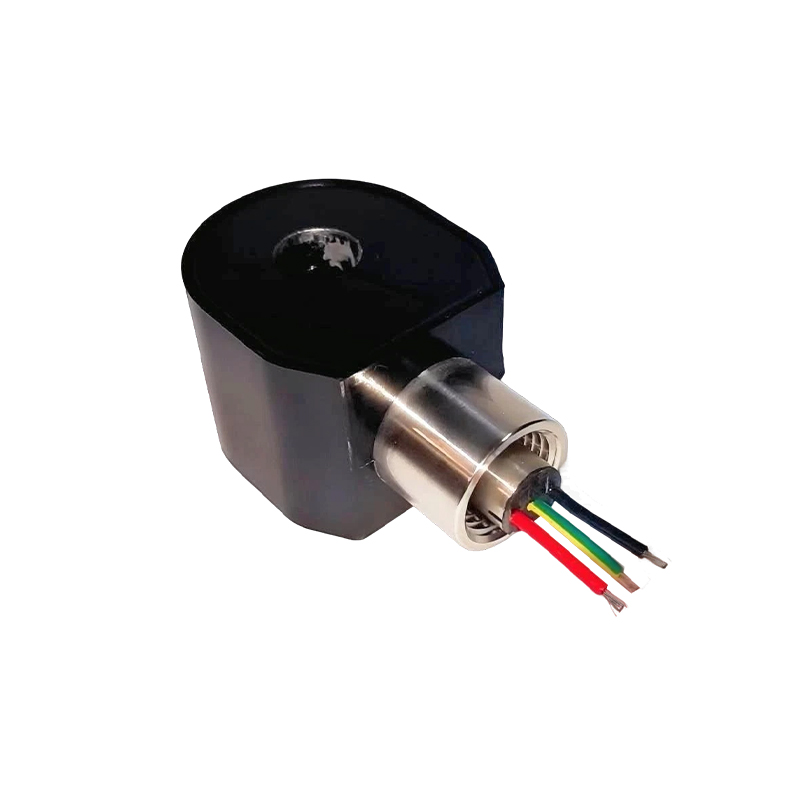

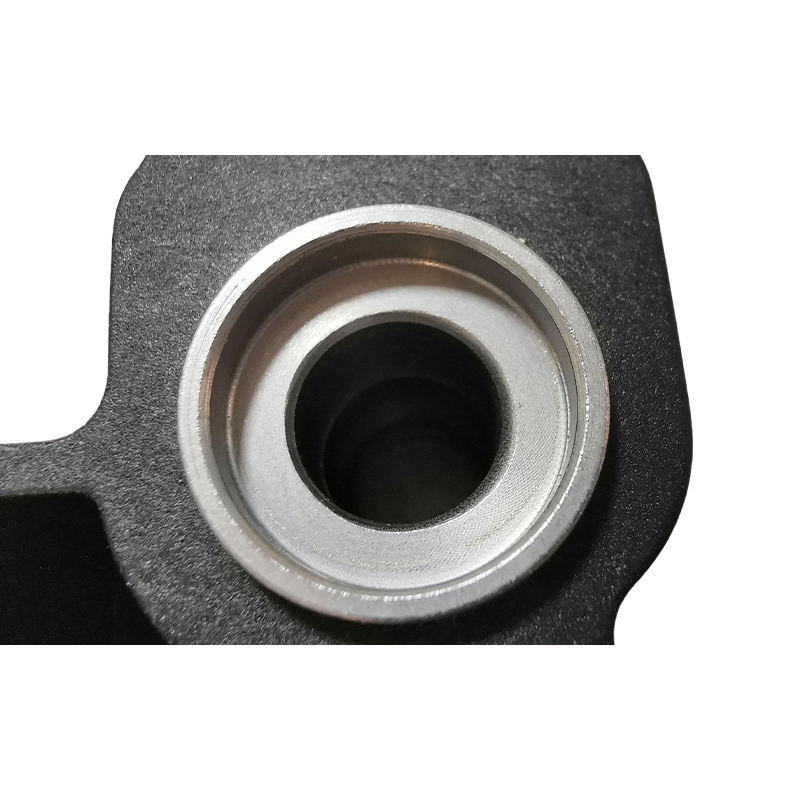
Testing the inter-turn insulation performance of the vehicle airflow solenoid valve coil is a crucial step in ensuring the reliable operation of the solenoid valve.
Reducing eddy current losses in an inductance coil requires consideration of multiple factors, including materials, structure, magnetic field control, and manufacturing processes.
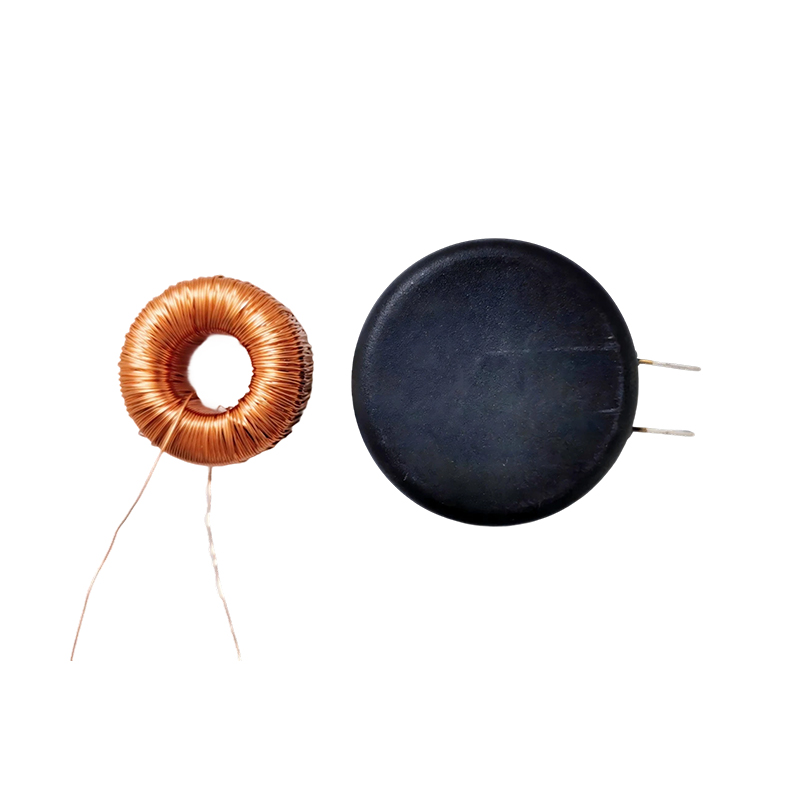
In power electronic systems, the inductance coil, though often hidden on a circuit board, plays a crucial role in energy storage, filtering, and interference suppression.
As an indispensable passive component in electronic circuits, the core function of an inductance coil is to store magnetic energy, suppress current surges, filter noise, or participate in resonance.
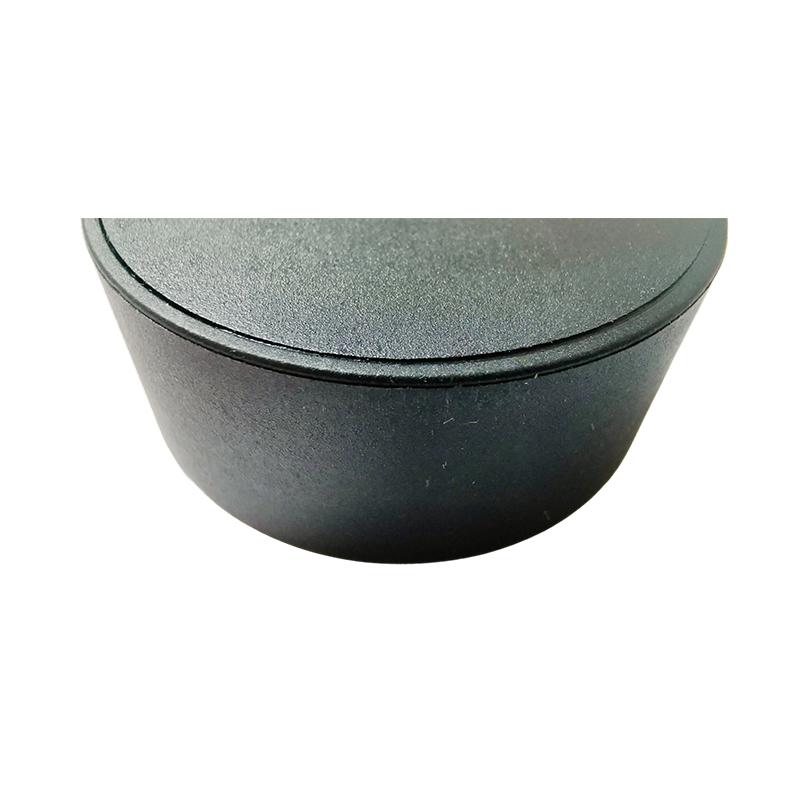
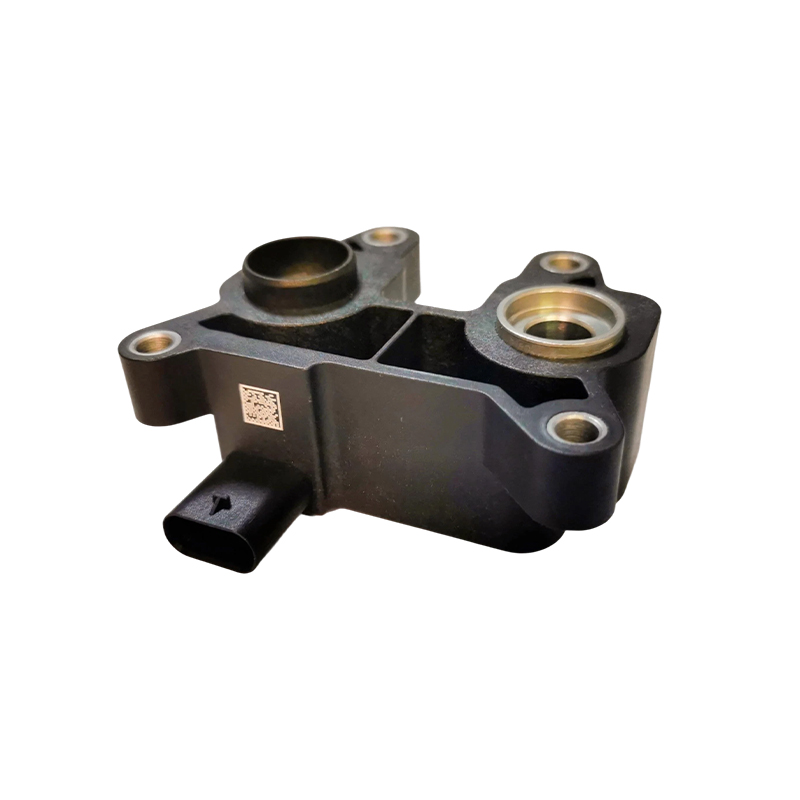
Although only the size of a thumb, the vehicle air flow solenoid valve coil is a crucial bridge connecting electronic control and mechanical actuation.
In petrochemical, natural gas transportation, coal mining, pharmaceutical workshops, and dusty industrial environments, flammable and explosive gases, vapors, or dust may be present in the air, either continuously or intermittently.